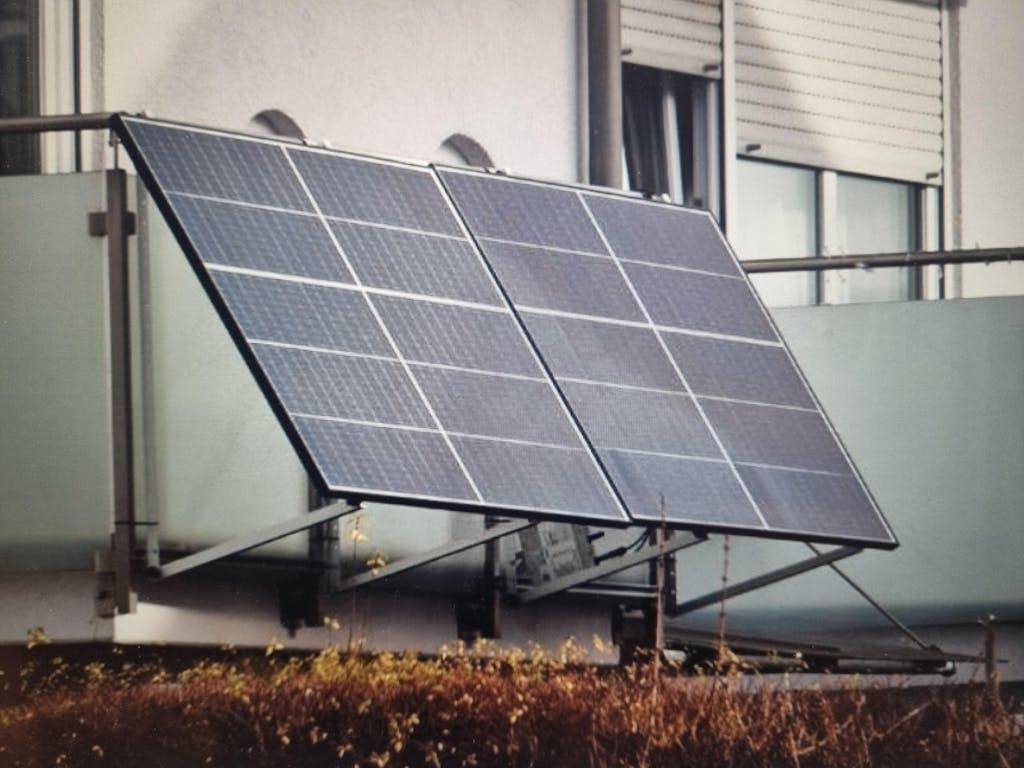
Selecting a PV inverter is, alongside module selection and site choice, the third crucial step in installing a photovoltaic (PV) system. The inverter converts the direct current (DC) generated by the solar cells into alternating current (AC) suitable for the power grid. Here are some steps to consider when choosing a PV inverter:
PV system output : Ensure that the inverter can support the total output of the PV system. The inverter's rated power should be slightly higher than the total output of the solar panels to guarantee optimal performance. Also, consider future system expansions. In the past, a smaller inverter was often recommended because the module output (kWp) rarely, if ever, reaches 100% in summer. However, this does not apply when outside temperatures drop. The prices of the different power classes are usually so close that choosing an undersized inverter no longer makes economic sense. This can easily be checked in the shop.
Inverter type : There are different types of inverters, including string inverters, hybrid inverters, and microinverters. String inverters are often used in large systems or when self-consumption takes place during daylight hours and a battery is not desired. Hybrid inverters, on the other hand, are used for systems from 3 to 20 kW (e.g., Sofar Solar) when a battery storage system is to be integrated. Microinverters are installed per module and offer better module tracking but can be more expensive.
Technical specifications : Pay attention to technical specifications such as maximum input voltage, maximum input current, and operating temperature range of the inverter. These specifications affect the performance and efficiency of the PV system.
Certifications and Quality : Ensure that the selected inverter meets the required safety certificates and quality standards. This guarantees reliable operation and a long service life. In Austria, it is necessary that it is listed with the TOR producer.
Manufacturer and Warranty : Choose a reputable manufacturer with a good reputation and a reasonable warranty. A reliable manufacturer usually offers a longer warranty period, which indicates confidence in the product's quality.
Grid connection and regulations : Ensure that the inverter complies with the applicable grid connection regulations and regulatory requirements. This is particularly important to ensure that your system is properly integrated into the electricity grid. Again, the TOR (Regulatory Authority for Energy) list is crucial. Without this listing, it is not permitted to feed into the grid in Austria.
It is advisable to seek advice from specialists or installers to ensure that the selected PV inverter meets the specific requirements of your PV system. Every PV system is unique, so individual consultation can be very helpful.